PDF Cabinet
Redesigning one of the first collaborative PDF annotators on iPad
Context
In the early iPad ecosystem, PDF reading and annotation tools were limited, fragmented, and visually heavy. Most apps treated annotation as a feature, not as a core workflow. At the same time, Apple was introducing a major iOS UI paradigm shift, requiring apps to rethink structure, hierarchy, and interaction models. The opportunity was not just to comply with guidelines, but to redefine how annotation should feel on a touch device. My role was a senior product designer (and part-time graphic designer). I led design articulation, interaction modeling, and visual system development across product and promotional materials.

The Problem
There was a gap between what users wanted and what most competitors provided. Users wanted a fast, paper-like annotation experience, collaborative workflows, and a clean reading experience with reduced cognitive friction. However, most competitors provided overloaded toolbars, poorly mimicked desktop metaphors, and annotation treated as secondary.
There was no clear category leader.
Approach
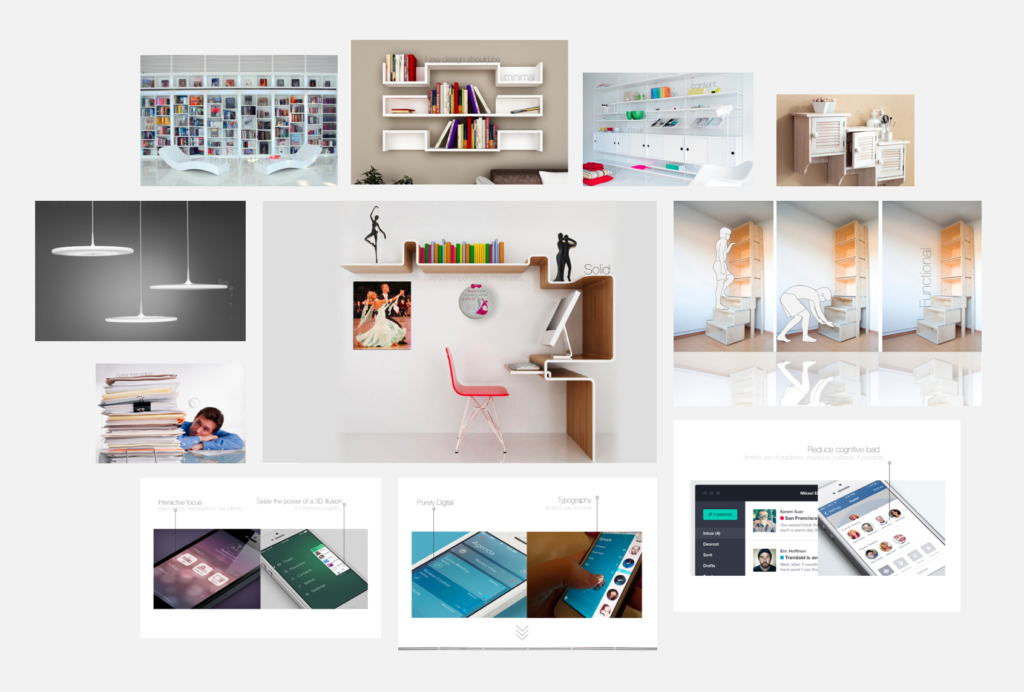
We clustered user feedback and conducted heuristic analysis, and researched analog behaviours, including real paper and markup gestures. Eventually, we identified core values of clarity, tactility, and speed that influenced the visual and interaction system built around focus-first reading, contextual annotation tools, touch-native affordances, and clear, restrained typography.
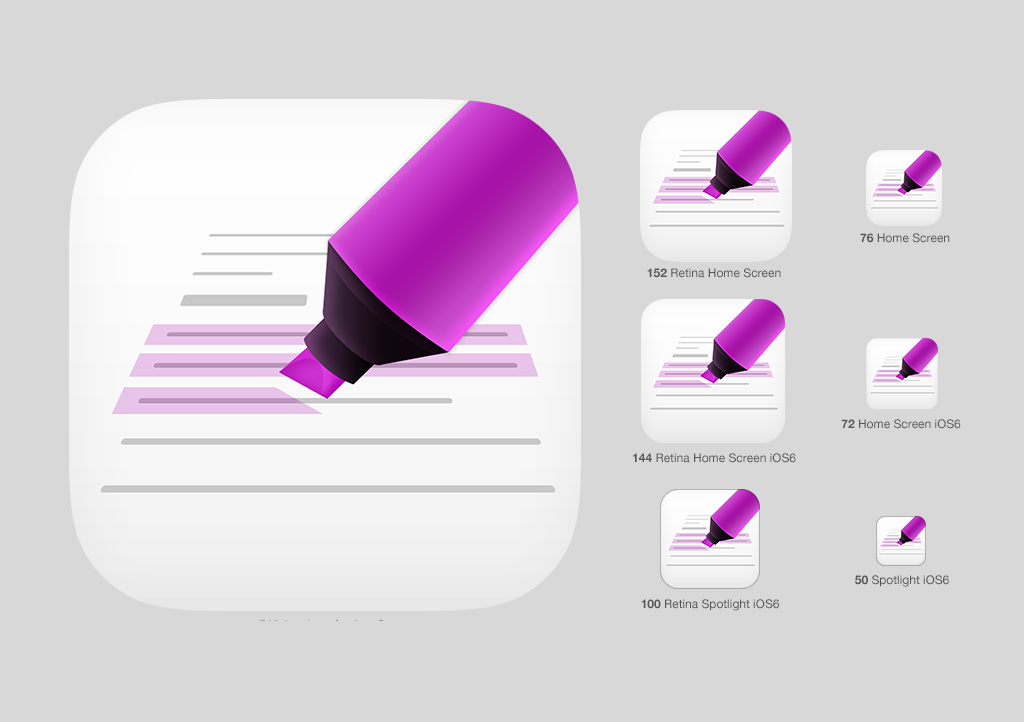
I also designed tutorial and promotional visual concepts (Quick Start, Annotate, Collaborate), translating abstract workflows into simple, recognizable imagery. The goas was not decoration, it was to make the product feel inevitable.
Outcome
The final design reduced the interface to its essentials, prioritizing content, introduced context-aware annotation controls, and established a visual hierarchy aligned with Apple's new UI direction. Many of these patterns later became common accrossPDF tools and productivity apps.
As a result, PDF Cabinet was featured by Apple in "Best New Productivity Apps" (US App Store), and achieved 200 000+ downloads in the first week. It was adopted by professionals from Hollywood screenwriters to educators. Most importantly, it helped define early interaction patterns for touch-based annotation tools.
Looking back, this project shaped how I think about reducing interface friction and defining category standards early, lessons that continue to inform my product work today.