Telecom's Digital Transformation
Legacy enterprise CRM system replacement to Salesforce (Vlocity)
Context
A leading telecommunications provider in the region, with over 1.7k employees and 1 million clients, initiated a multi-year digital transformation program to replace fragmented legacy systems with a unified, modern enterprise platform.
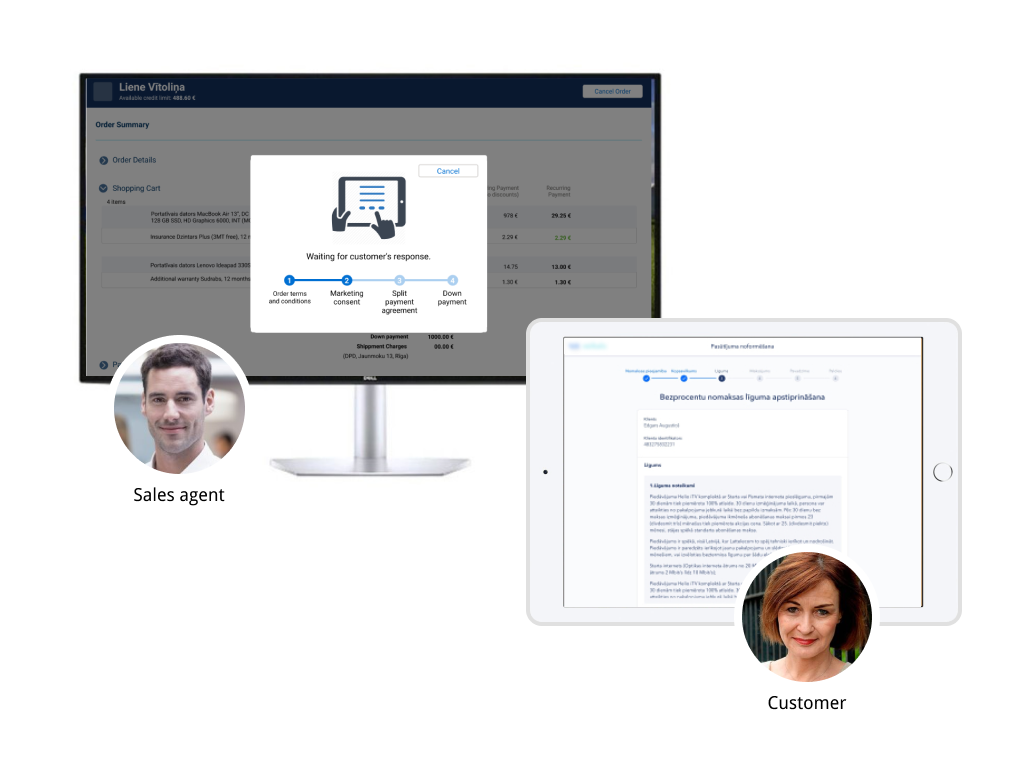
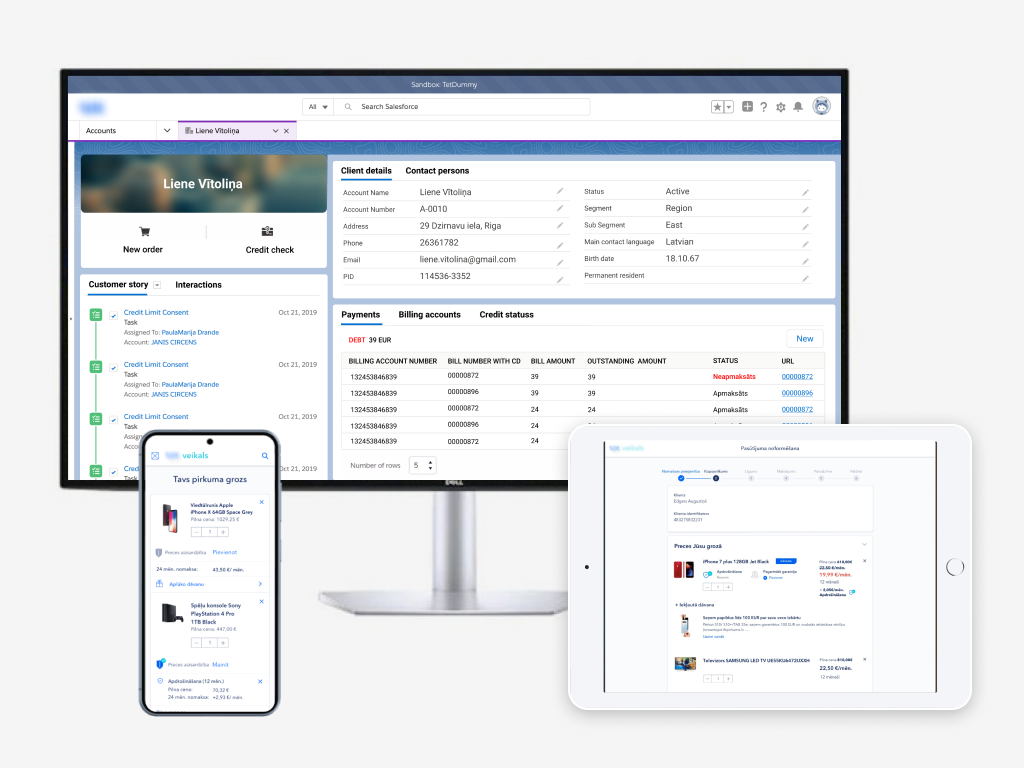
The transformation was based on Salesforce (Vlocity) and aimed to support Sales agents, Customer support representatives, Service personnel, and in-store checkout staff across desktop, tablet, and mobile devices, while also improving the end-customer experience in physical stores.
The Challenge
This was a system-level transformation replacing legacy systems affecting thousands of employees and customers across multiple verticals, including subscription-based services (electricity, internet, TV), electronic product purchases (devices and accessories), service configuration and activation, and contract management and customer data handling.
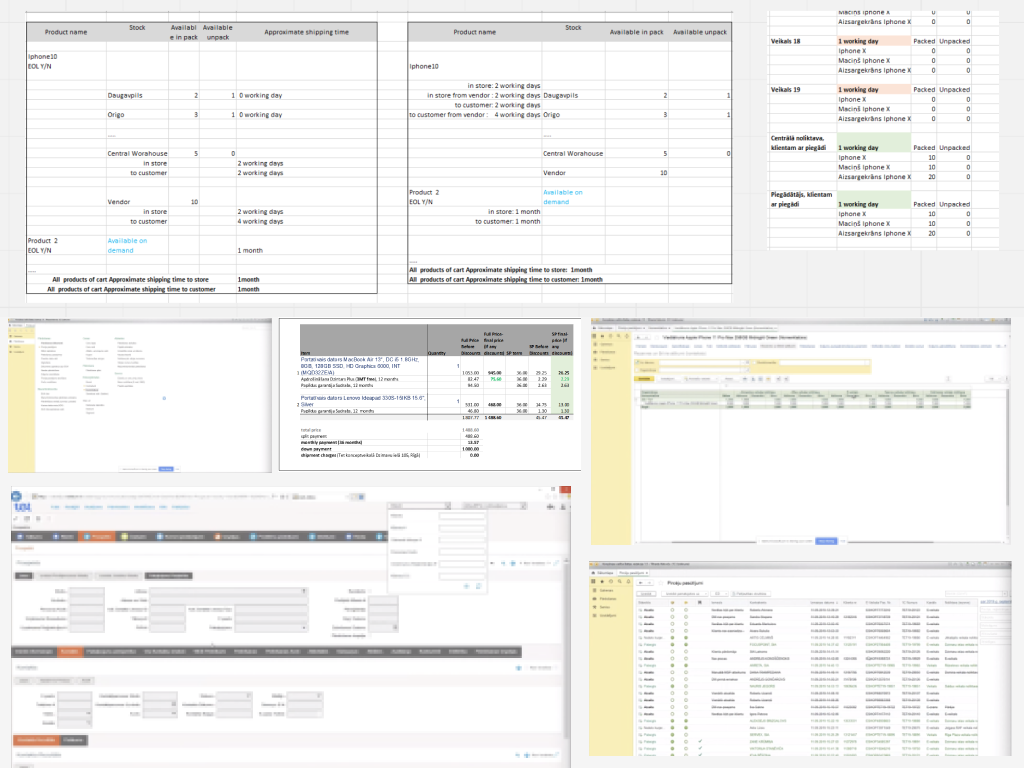
The complexity came from multiple dimensions, especially deeply embedded legacy workflows where employees had implemented workarounds and manual processes. These workflows were integral to multiple roles in sales, support, device checkout, subscription activation, contract signing, and customer identity verification, each role having different priorities, constraints, and success metrics. The system was used in a hybrid physical-digital environment including store counters, tablets during customer interactions, and back-office desktop environments requiring careful consideration of speed, error prevention, data validation, and trust with compliance.
Approach
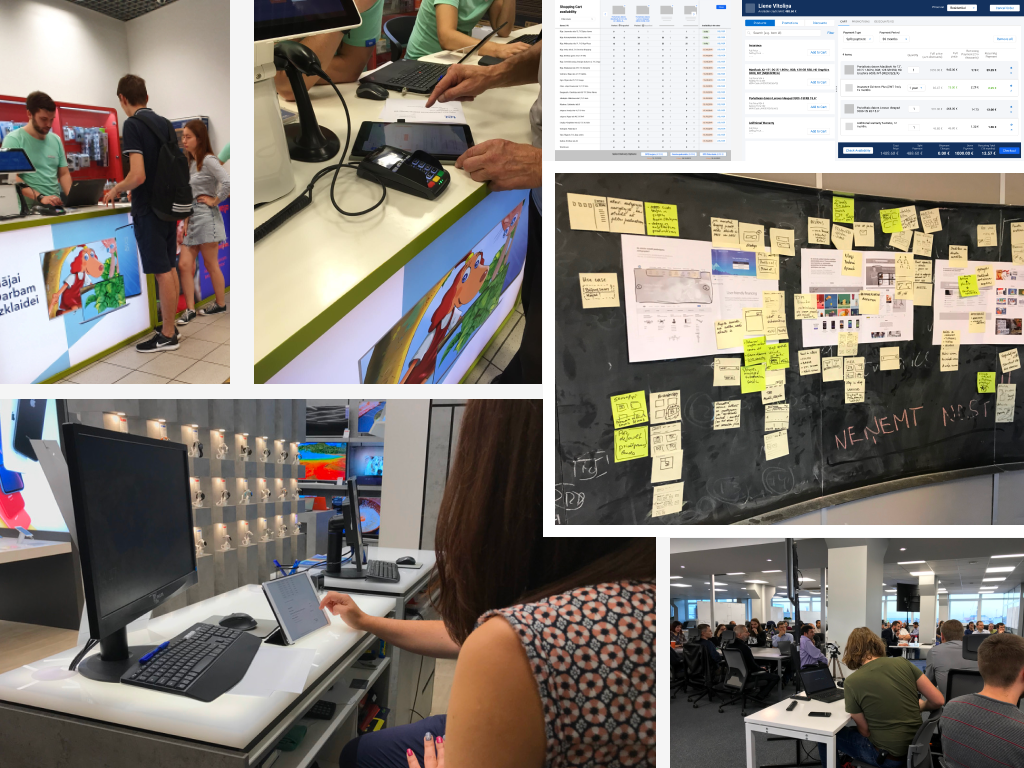
I led the User Experience and Usability direction across multiple workstreams during the transformation, including participation in strategic planning sessions, advocating for the end-user perspective, collaborating with Salesforce/Vlocity implementation partners, conducting usability testing in physical retail stores, and working closely with business stakeholders, developers, and other designers in delivering prototypes and validated interaction flows.
Design and product decisions were based on Salesforce data models, Vlocity component architecture, and implementation partner constraints, balanced with real-world needs and usage of store employees and support agents.
To ensure end-user usability, we conducted continuous field usability testing in physical stores and offices, observing real sales flows, identifying friction points, validating navigation logic including checkout experience, and gathering qualitative feedback to influence strategic planning sessions to ensure the system works under real-world pressures.
In partnership with business stakeholders, designers, and developers, I worked on simplifying information architecture and workflows, clarifying contract and product bundling logic, reducing cognitive overload during checkout, improving discoverability of critical actions, and structuring complex Salesforce data into usable workflows.
Impact
While enterprise transformations are long-term programs, key outcomes included reduced friction in store checkout processes, more structured and unified workflows across departments, better mobile and tablet usability for store agents, increased clarity in subscription and service configuration, and most importantly – stronger alignment between technical implementation and real-world usage.